Top 4 Mistakes to Avoid When Building a New Gravel Driveway
August 4, 2026
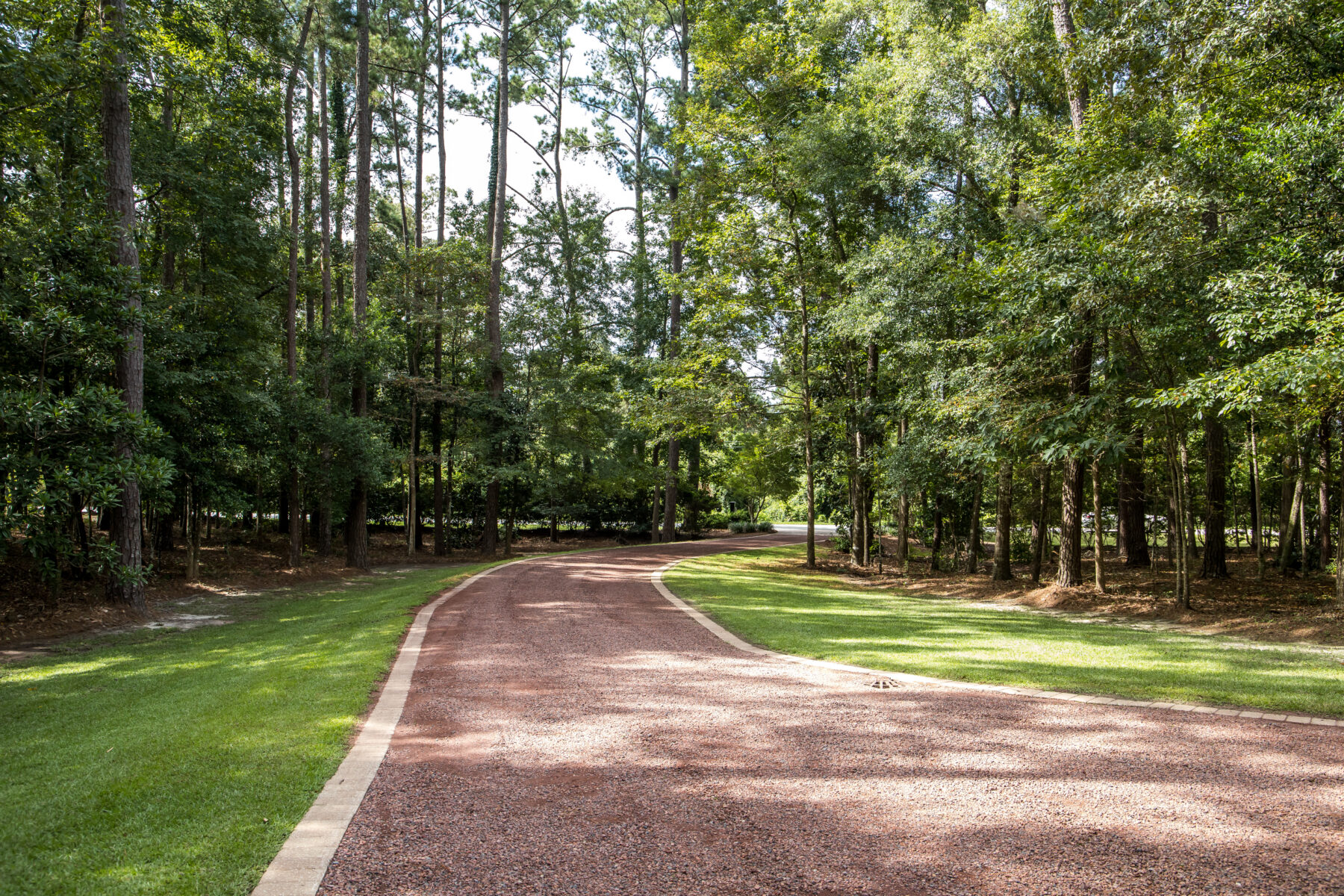
Most gravel driveway problems start below the surface, long before the top layer of stone goes down. Skipping subgrade prep, underbuilding the base, ignoring drainage and choosing the wrong surface rock are the four mistakes that send driveways into early failure. Around Golden, cold winters and wet springs arrive on schedule every year. A driveway that was not built right does not survive them quietly: it ruts, shifts and pools water until the whole thing needs to come up and start over.
- Skipping Subgrade Prep Before the Gravel Goes Down
Subgrade prep comes first. Foothill parcels around Golden range from decomposed granite to pockets of heavy clay, and native soil in either condition needs help before it can carry a load. Strip the sod and root mat, then compact the exposed subsoil before the first course goes down. That compacted subgrade gives the aggregate column above it something stable to press against, holds the base at a consistent depth through wet and dry seasons alike, and keeps fines from pumping upward into the stone.
Skip it, and the problem surfaces the following spring. Loose soil settles unevenly, the base dips along the wheel paths, and the regrade costs more than the compaction pass would have. It usually means pulling up stone you already paid for.
- Underbuilding the Base: Why Four to Six Inches Is Not Negotiable
The base layer carries the load. Build it thin and you feel it within the first winter. Four to six inches of crushed, angular material on top of a compacted subgrade forms the load-bearing depth a gravel driveway needs beneath its surface course. Class 6 Road Base, a three-quarter-inch-minus product APC quarries locally at Ralston, compacts into a tight, interlocked layer that holds up under repeated truck and trailer traffic. A base thinned to save on tonnage, or built from rounded pea gravel because it happens to be available, creates a driveway that shifts and pumps almost immediately. Roll the base two or three times rather than finishing it after a single pass. That rolling locks the angular stone faces together instead of leaving them loose under the surface course. The interlock is what carries the weight once the driveway sees regular use.
- Ignoring Crown and Drainage on a Gravel Driveway
A solid base only holds up if water moves off it. Crown and drainage are not finishing touches; they are part of the structure. Crown geometry, two to four percent of slope from centerline to shoulder, sheds rain and snowmelt before it can pool. Graded ditches alongside the drive carry runoff clear of the edges. A flat grade lets water sit against the base long enough to break down compaction from below, and Front Range snowmelt and summer downpours arrive hard enough to expose that problem fast.
Where groundwater runs close to the foundation, a gravel French drain handles it. A gravel-packed trench built around a perforated pipe catches water at footing depth and carries it away before pressure builds against a foundation wall.
- Choosing the Wrong Surface Rock for Your Gravel Driveway
The top course takes a beating. It needs a tighter, more angular gradation than the base beneath it. Three-quarter-inch Gray Monzonite Crushed, quarried at the same Ralston site as the road base, packs tightly and resists washboarding under regular truck and trailer traffic. Rock chosen mainly for color tends to roll under tire load and migrate toward the edges within a season. Pea gravel looks clean but rounds under traffic and shifts on a graded slope. Recycled asphalt packs firm but works better on secondary lanes than on a driveway that handles daily use. Match the surface rock to how the driveway actually gets used. Mismatched rock usually demands a full re-topping within two seasons.
Build It Right the First Time
These four mistakes are connected. A compacted subgrade gives the base something solid to press against. A properly built base carries the load. Crown and drainage keep water from undermining that base from below. The right surface rock holds everything in place under traffic. Skip one step, and the failure tends to pull the others down with it.
Cutting corners on site work rarely saves money. The cost of skipped steps almost always returns as rework, and rework on a gravel driveway typically costs more than the original work would have. Groundwork done correctly before the first load of stone gets ordered is what keeps a driveway out of a regrade. APC Construction supplies Class 6 Road Base and Gray Monzonite Crushed surface rock for gravel driveway projects around Golden, sourced directly from its Ralston Quarry. Request a quote before you order.