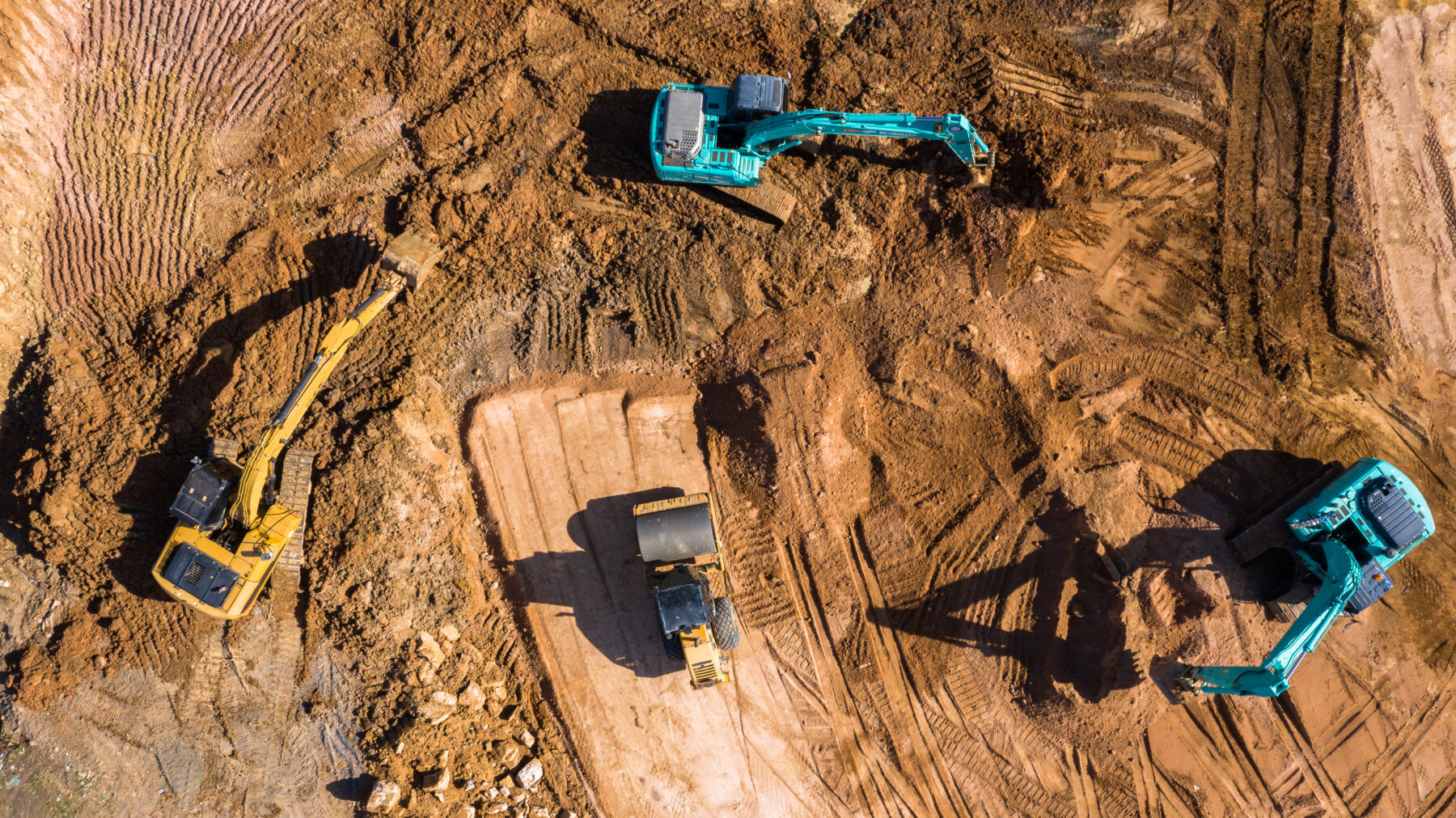

Spring Construction Planning Starts with Excavation and Material Delivery
April 9, 2026
Seasonal construction activity tends to accelerate quickly once ground conditions begin to stabilize. Equipment returns to job sites, project timelines move forward, and crews transition from planning to physical preparation. Before foundations, paving, or vertical construction begin, one phase consistently leads the schedule. Excavation and early material delivery establish the working platform every other trade depends on.
Contractors prioritize this stage because soil conditions, grading accuracy, and aggregate placement influence how the entire project unfolds. Preparing the site properly creates stable ground for concrete placement, structural loads, and long-term surface behavior. By addressing excavation and base materials first, construction teams position the project for consistent progress once spring building activity increases.
Establishing a Stable Work Platform Through Excavation
Soil movement, moisture saturation, and freeze-thaw cycles leave ground conditions unpredictable after winter. Excavation clears unstable layers and exposes soil that can be evaluated, compacted, or replaced depending on site requirements. This process creates a controlled starting point before structural loads are introduced.
Heavy equipment operators remove topsoil, organic material, and loose fill until reaching soil capable of supporting construction traffic and structural weight. Subgrade shaping follows, using laser grading or survey controls to match the elevation plans for foundations, slabs, and paved surfaces. Precision at this stage determines how well base materials lock together and distribute weight across the site. Once excavation reaches the proper depth, crews begin compacting the exposed soil to reduce future settlement. Mechanical compaction limits air pockets and internal movement beneath the structure. A firm subgrade allows aggregate base layers to perform as intended once placed.
Early Aggregate Delivery Keeps Projects Moving
Spring construction schedules often tighten quickly as weather windows open. Delivering aggregates early keeps site preparation aligned with the broader build schedule. Materials such as crushed stone, structural fill, and base aggregates arrive while excavation crews are still shaping the site. Placing aggregate directly after subgrade preparation prevents exposed soil from becoming saturated during early spring rain events. A compacted stone layer forms a firm working surface for trucks, concrete pumps, and steel deliveries. Construction activity can continue even when surrounding soil remains soft.
Aggregates also serve a structural role beneath foundations and slabs. Angular stone creates interlock between particles, spreading loads across the base layer rather than concentrating pressure in one area. When compaction equipment passes across the stone, the particles settle tightly together and create a dense foundation layer ready for concrete placement.
Coordinating Material Logistics with Site Preparation
Project scheduling relies heavily on coordination between excavation crews and material suppliers. Excavation progresses in phases across large sites, and aggregate deliveries often follow closely behind each section of completed grading. This sequencing keeps materials moving efficiently without overwhelming the job site.
Truck access, staging areas, and equipment movement all factor into delivery planning. Stockpiling aggregate too early can restrict excavation activity, while late deliveries stall progress for foundation crews waiting on base preparation. Contractors typically work with suppliers to schedule deliveries in staggered loads that match daily installation targets. Reliable aggregate supply also supports consistent compaction practices. Crews place material in controlled lifts, compact each layer, and verify elevation before additional loads arrive. This step-by-step process maintains grade accuracy across large building pads, parking areas, and access roads.
Preparing for Concrete and Structural Work
Concrete foundations, slabs, and structural elements depend on the layers beneath them. Aggregate bases create separation between soil and concrete, reducing moisture movement and limiting uneven settlement. Once the stone base reaches the specified depth and compaction level, formwork and reinforcement installation can begin.
Drainage planning also becomes easier when aggregate layers are placed early in the schedule. Stone allows water to move through the base layer instead of collecting beneath the slab. This movement reduces internal pressure within the soil during seasonal moisture changes. With excavation complete and base aggregates installed, crews gain a stable platform for placing footings, slab reinforcement, and ready-mix concrete. Equipment moves freely across the surface without disturbing underlying soils, allowing concrete placement to proceed according to the construction schedule.
Every successful construction project begins with the work beneath the surface. Excavation, grading, and aggregate installation create the structural groundwork that supports foundations, pavement systems, and heavy building loads. Establishing this base early in the season keeps projects organized as additional trades enter the site. When soil preparation, aggregate placement, and compaction are completed correctly, concrete work moves forward on stable ground with predictable results. Reliable aggregate supply and coordinated site preparation keep projects moving efficiently as spring construction intensifies.