
Recycled Asphalt vs. New Asphalt: How Are They Used in Road Construction?
November 1, 2026
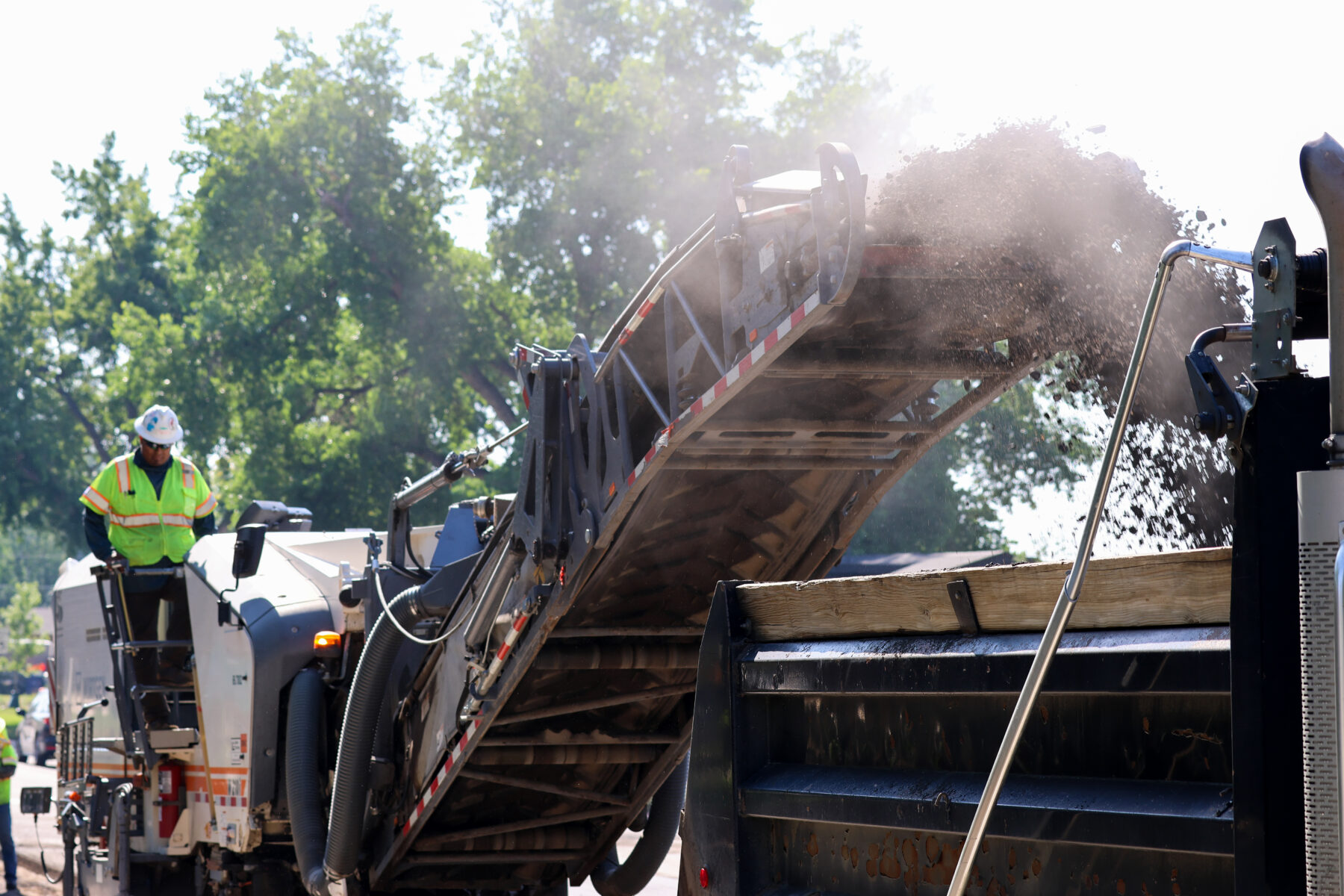
Recycled asphalt and new asphalt often work together in road construction, but they do not serve the same role in every part of the pavement structure. Reclaimed material can return as base, shoulder material, or recycled content in a new asphalt mix, while new asphalt usually carries the demands of the finished driving surface. Which material goes where depends on traffic, pavement layer, and the conditions the road will need to handle.
What Separates Recycled Asphalt From New Asphalt?
Recycled asphalt starts as an existing road. A milling machine grinds off the worn surface, and those millings are crushed and screened to a consistent size, with each piece still coated in the original binder. That binder has hardened through years of sun and traffic, and it is the main difference from new asphalt, which is mixed at a plant from freshly crushed rock, sand, and new liquid binder.
Old pavement gets reused on a large scale. Asphalt is the most recycled material in the country, and the industry returned more than 100 million tons of reclaimed pavement to use during the 2024 construction season, close to all of what was milled up. Much of it goes into the ground as base, and even more heads back through the plant.
Recycled Asphalt in Road Base Construction
As a base layer, recycled asphalt works because the old binder still has some grip left in it. Compacted in lifts at the bottom of the road structure, the coated particles bind together more than loose gravel does, which keeps dust down and gives the layer a firm footing. Water moves through it easily too, since the coating leaves more open space between particles than a dense-graded base has.
Density is the tradeoff. A crushed virgin road base packs tighter than recycled asphalt, so beneath heavy truck routes and highways the virgin material usually stays underneath. Recycled base tends to land under lighter-duty pavement, in subbase layers, and along shoulders, where drainage counts for more than that last bit of density.
Recycled Content in New Asphalt Mixes
Recycled content in new asphalt mixes accounts for even more reclaimed pavement than road base does. At the plant, millings are metered in alongside fresh crushed rock and new binder, and the heat softens the old binder enough to blend with the new. Every ton that goes in replaces stone and binder that would otherwise come from fresh supply.
The old binder’s stiffness is also why recycled content comes in measured amounts. Surface mixes for medium and heavy traffic commonly carry around 10 to 20 percent, while lower layers can take more, and mixes at the higher end often switch to a softer grade of new binder to offset the extra stiffness.
Hot and Warm Mix Asphalt for Road Surfaces
New asphalt does its most important work on the driving surface, where those recycled limits are tightest. The surface course takes tire loads and temperature swings directly, and a mix built mostly on fresh binder stays flexible enough to bend under a loaded axle and settle back as the pavement cools. In a climate where pavement freezes overnight and thaws by afternoon, that give is what keeps the surface from cracking as it moves.
The mix itself changes with the traffic it carries. Plant-produced hot mix asphalt covers most streets and highways, and stone matrix asphalt, built on a coarse skeleton of crushed rock, resists rutting in lanes that see steady truck traffic. Warm mix asphalt is produced at lower temperatures and stays workable longer after it leaves the plant, which gives paving crews more room on cooler days.
Recycled Asphalt for Secondary Roads and Shoulders
Away from the main lanes, recycled asphalt can serve as the finished surface itself. Rural access roads, farm lanes, construction haul roads, and gravel driveways can all be topped with compacted millings, giving them a firmer, lower-dust surface than loose stone without a full paving pass. The leftover binder tends to tighten up further in summer heat as traffic works it down.
Shoulders sit somewhere in between. They are often paved with mixes carrying a higher recycled share, since they see occasional traffic and mainly need to stay stable along the pavement edge. On unpaved recycled surfaces, a light regrade each season keeps the crown shedding water and the surface packed tight.
Choosing Asphalt for Road Construction
Recycled asphalt and new asphalt end up dividing a road by depth. The same aged binder that makes millings a firm, free-draining base keeps their share small in a surface mix, which is why new asphalt carries the top course while recycled material fills in below it and along the edges. Traffic level and freeze-thaw exposure decide exactly where that line falls on a given project.
APC Construction supplies both hot and warm mix asphalt and recycled asphalt from its Ralston Quarry, so the base and the driving surface can come from the same source. Request a quote to match the right asphalt to each layer of an upcoming road project.