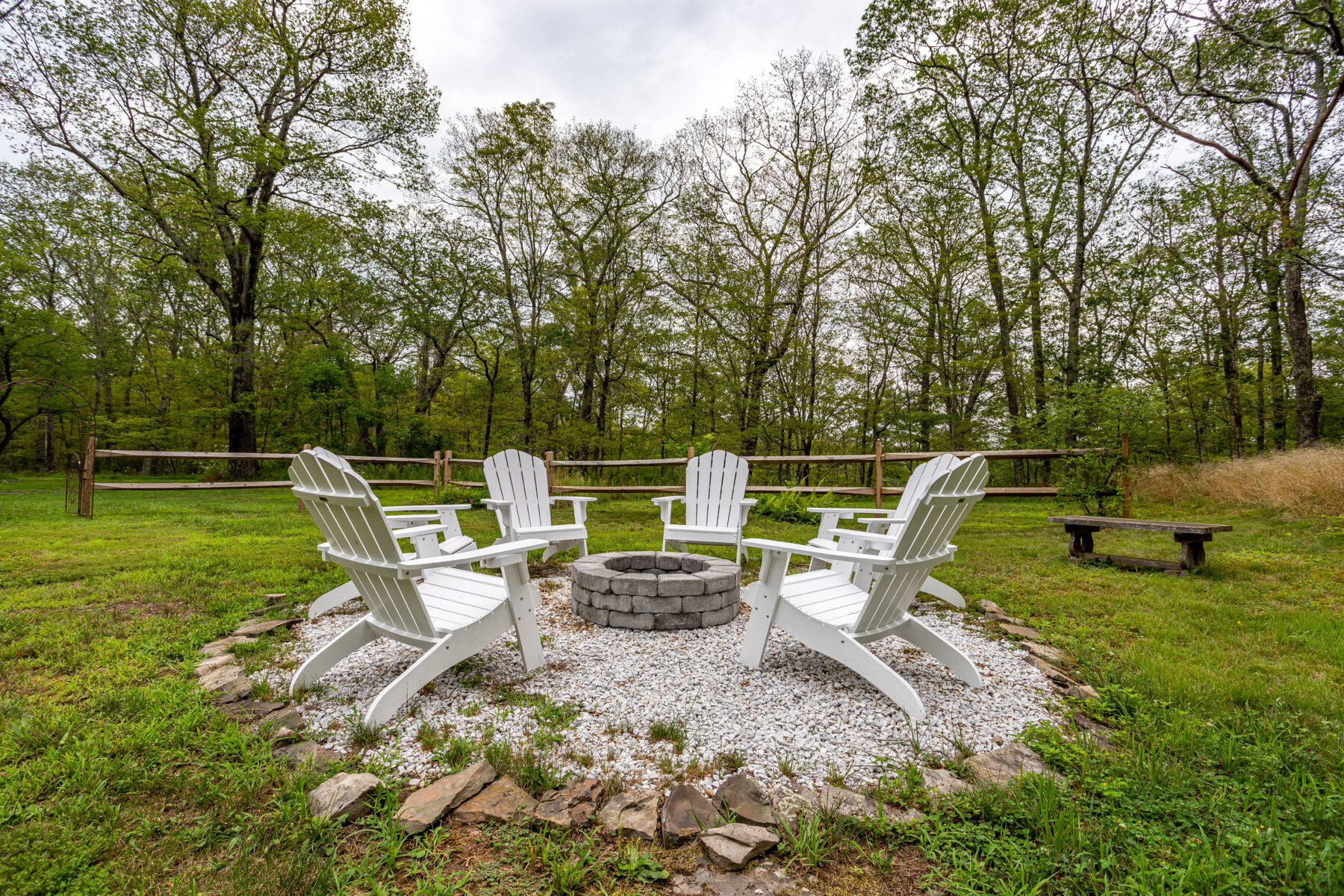

How to Build a Stone Fire Pit Base That Lasts Through Freeze-Thaw Cycles
November 26, 2025
A stone fire pit becomes a long-term feature when its foundation is crafted to handle shifting temperatures and seasonal moisture. A durable base supports the structure by guiding water away, resisting soil movement, and keeping each stone aligned as the seasons change. With careful planning and attention to the materials underfoot, the process turns a simple excavation into a stable platform designed to perform year after year.
Establishing the Layout and Preparing the Site
The build begins by defining the fire pit’s footprint, so the base matches the intended shape and scale. A consistent outline helps maintain symmetry and provides clear boundaries for excavation. Once marked, the area can be cleared of vegetation and organic debris to create a clean working surface. This initial preparation sets the stage for a base that supports both weight and movement across the seasons.
Excavation follows the layout and continues until the topsoil layer has been removed. Topsoil shifts through moisture changes, making it unsuitable for structural support. A depth of 8 to 12 inches provides space for a layered foundation that withstands winter conditions. As the soil is removed, the ground should be leveled so the aggregate can sit evenly across the entire footprint.
Building the Aggregate Base Layer by Layer
With the ground prepared, crushed stone becomes the structural core of the foundation. Angular aggregate is introduced in controlled lifts to promote interlocking. Its fractured edges bind together under compaction, forming a dense surface that stays stable through freeze thaw cycles. Each lift should be compacted with mechanical force to eliminate voids that could collect water. As the layers build, the base gains the rigidity needed to support both dry stacked and mortared stone designs.
Material selection plays a key role at this stage. Crushed limestone and granite blends offer dependable performance in environments that experience seasonal moisture. A dense graded structure provides both drainage and stability, allowing water to move through the base while keeping the surface firm. In colder climates, a slightly coarser gradation supports quicker moisture release, further reducing the risk of heaving.
Refining the Grade with Sand and Setting the First Stone Course
When the aggregate base reaches its intended height and compaction, a thin layer of coarse sand is added to fine tune the leveling. This layer creates a smooth surface for stone placement without compromising the density of the base. Light moisture helps the sand settle into its final position, forming a stable interface between the foundation and the stone above.
The first course of stone determines the shape and alignment for the entire structure. Each piece should sit securely without movement, establishing a consistent edge that guides every layer that follows. Mortared fire pits benefit from ready mix concrete applied in small amounts at the base joints, anchoring the stones and preventing lateral movement. Dry stacked designs rely on tight contact between stone faces, supported by the uniform base created below.
Managing Drainage and Reinforcing the Surrounding Area
Good drainage ensures the foundation performs through winter. Grading the surrounding ground so water flows away from the fire pit directs runoff before it can reach the base. Extending a narrow ring of compacted gravel beyond the outer stones further protects the structure by preventing water from settling against the perimeter. For installations intended as permanent features, a concrete footing beneath the aggregate adds an additional layer of support. Air entrained concrete functions well in freeze thaw regions and spacing around the perimeter accommodates natural seasonal movement.
Maintaining Stability Through Seasonal Cycles
Ongoing attention helps the base retain the strength established during installation. Inspecting the fire pit each spring allows for quick adjustments where settling may have occurred. Adding small amounts of gravel to low areas, refreshing sand that has shifted, and maintaining clean joints preserves the performance of the foundation through repeated temperature cycles. These measures reinforce the original craftsmanship and ensure the fire pit remains stable as conditions evolve.
A stone fire pit built on a carefully developed foundation withstands the challenges of winter and maintains its structure through years of use. When each stage, from excavation to final grading, supports proper drainage and density, the result is a base that provides lasting confidence in both appearance and performance.