
How Phase-Change Aggregates Could Transform Winter Energy Efficiency in Buildings
December 31, 2025
Winter places consistent pressure on building performance. Heating systems operate longer, energy demand increases, and maintaining stable interior temperatures becomes more complex as outdoor conditions fluctuate. As efficiency standards continue to evolve, attention is shifting beyond mechanical systems and toward the materials that form the structure itself. Phase-change aggregates introduce a material-driven approach by embedding thermal regulation directly into concrete, allowing energy performance to be addressed at the structural level.
By integrating thermal storage within the aggregate, concrete takes on a more active role during cold weather conditions. Heat is not only retained but managed in a way that supports comfort through daily and seasonal temperature cycles. This shift expands the role of concrete from static mass to a material that actively contributes to winter energy performance once the pour is complete.
What Sets Phase-Change Aggregates Apart
Phase-change aggregates are engineered to absorb and release heat through controlled thermal transitions. Each aggregate contains a phase-change material calibrated to shift states within a targeted temperature range. As interior temperatures rise, excess heat is absorbed and stored internally, then released back into the surrounding concrete mass as temperatures fall.
This behavior separates phase-change aggregates from traditional thermal mass. Conventional aggregates store and release heat gradually, often outside optimal comfort windows. Phase-change aggregates concentrate that exchange within a narrower range aligned with indoor conditions, allowing concrete to respond more precisely to temperature changes rather than lag behind them.
Turning Concrete into a Thermal Asset During Winter
Cold weather introduces rapid temperature drops, particularly overnight and during early morning hours. Concrete incorporating phase-change aggregates helps counter those shifts by releasing stored heat as interior temperatures decline. This response creates a buffering effect that slows temperature loss before heating systems must respond aggressively.
As indoor conditions remain more stable, heating systems cycle less frequently during peak demand periods. Energy use becomes more consistent, while comfort is maintained across occupied spaces. In regions where heating dominates seasonal energy demand, these performance gains accumulate steadily throughout the winter months.
Where Phase-Change Aggregates Fit Within the Building Envelope
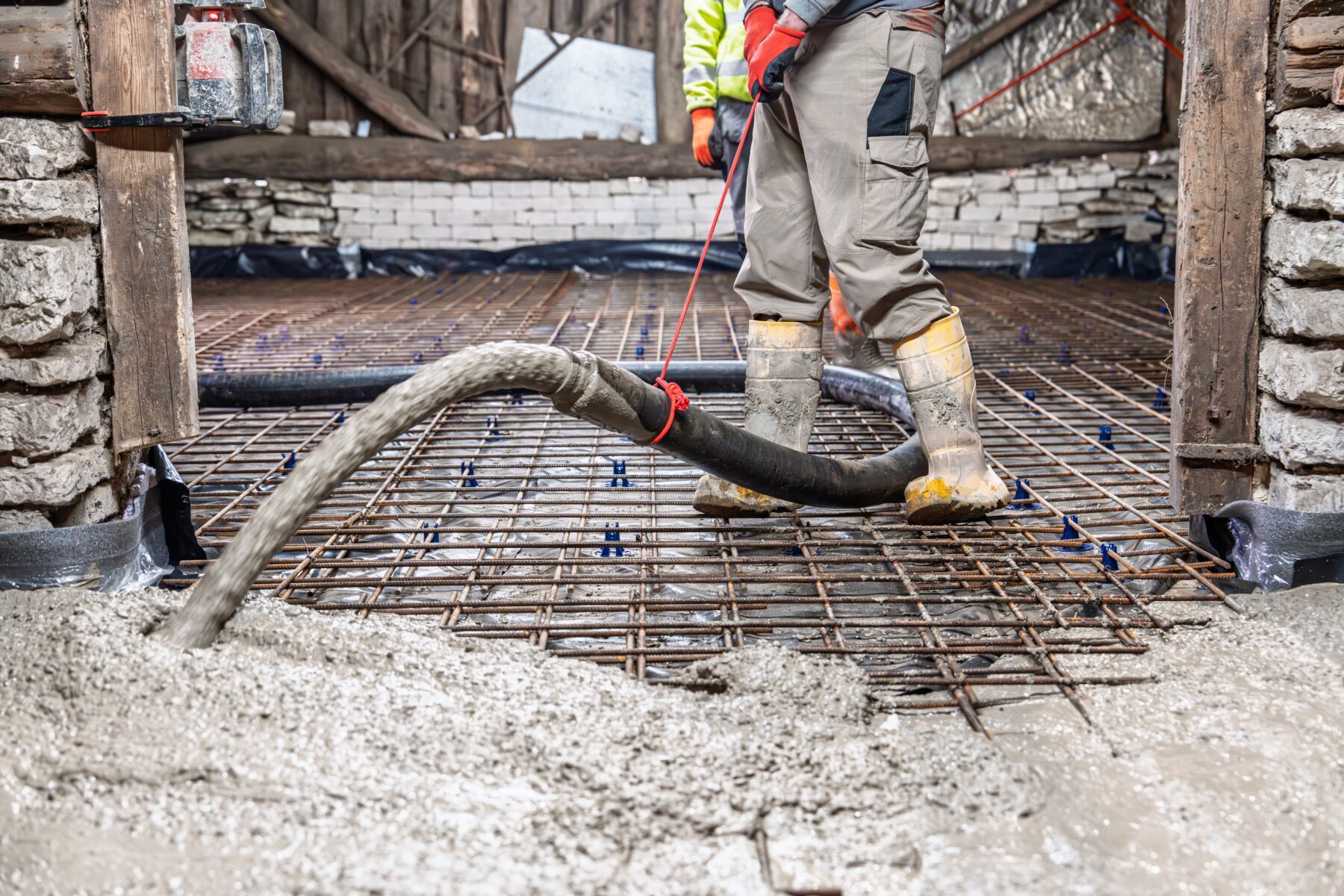
Phase-change aggregates integrate seamlessly into standard concrete applications, including slabs, walls, floors, and precast elements. Placement, finishing, and curing processes remain familiar, allowing performance improvements without disrupting established construction workflows.
Within the building envelope, phase-change concrete complements insulation rather than replacing it. Insulation limits heat transfer, while phase-change aggregates manage heat once it enters the structure. Together, they create a layered strategy that strengthens winter performance and improves thermal control from the interior outward.
Reducing Energy Demand Through Passive Performance
Material-driven efficiency delivers consistent results because it operates independently of occupant behavior or system adjustments. Phase-change aggregates reduce peak heating demand by smoothing temperature fluctuations that typically trigger mechanical spikes during cold weather.
From an operational perspective, this stability supports predictable energy use and improved system efficiency. Heating equipment experiences less frequent cycling, reducing strain and supporting longer service life. These benefits are driven by material behavior, reinforcing performance without ongoing intervention.
Supporting Long-Term Sustainability Goals
As sustainability considerations increasingly shape material selection, phase-change aggregates align naturally with long-term performance objectives. Lower heating demand supports reduced energy consumption and associated emissions, particularly in colder climates where winter loads dominate a building’s environmental footprint.
When combined with responsible aggregate sourcing and modern mix design practices, phase-change aggregates contribute to durable, future-ready construction strategies. Performance benefits are delivered year after year without compromising structural integrity. By introducing thermal intelligence into concrete mixes, this approach supports buildings that perform smarter under winter conditions while maintaining the durability concrete is known for.